

According to the Wireline magazine, an artificial intelligence company, Anthropic, withdrew OpenAI ‘ s access to its AI model (especially Claude) on Tuesday, on the grounds that it was suspected of violating its service terms. This decision coincides with the upcoming release of the next generation model, GPT-5, led by Sam Altman.

In his statement to Connect, Anthropic spokesman Christopher Nulty confirmed: “Claude Code has become the global programmer’s preferred coding tool, so it is no surprise to learn that OpenAI’s own technicians are also using our coding tool before GPT-5 is released. Unfortunately, this is a direct violation of our service terms.”
According to Christopher Narti, Anthropic will “continue to ensure that OpenAI has access to the API for benchmarking and security assessment, which is a standard industry-wide practice”. This means that OpenAI can still conduct model comparison studies within a specific range, but prohibits the use of Claude in core competition areas such as product development.
It was reported that OpenAI did not integrate the Claude model into its internal tools by means of a chat interface, but rather by using special developer access. This enabled OpenAI to test Claude ‘ s performance on tasks such as coding and creative writing, as well as to check Claude ‘ s response to security warnings regarding categories such as material involving child sexual abuse, self-harm and defamation. The results were used to compare the behaviour of their own models under similar conditions and to adjust them accordingly.
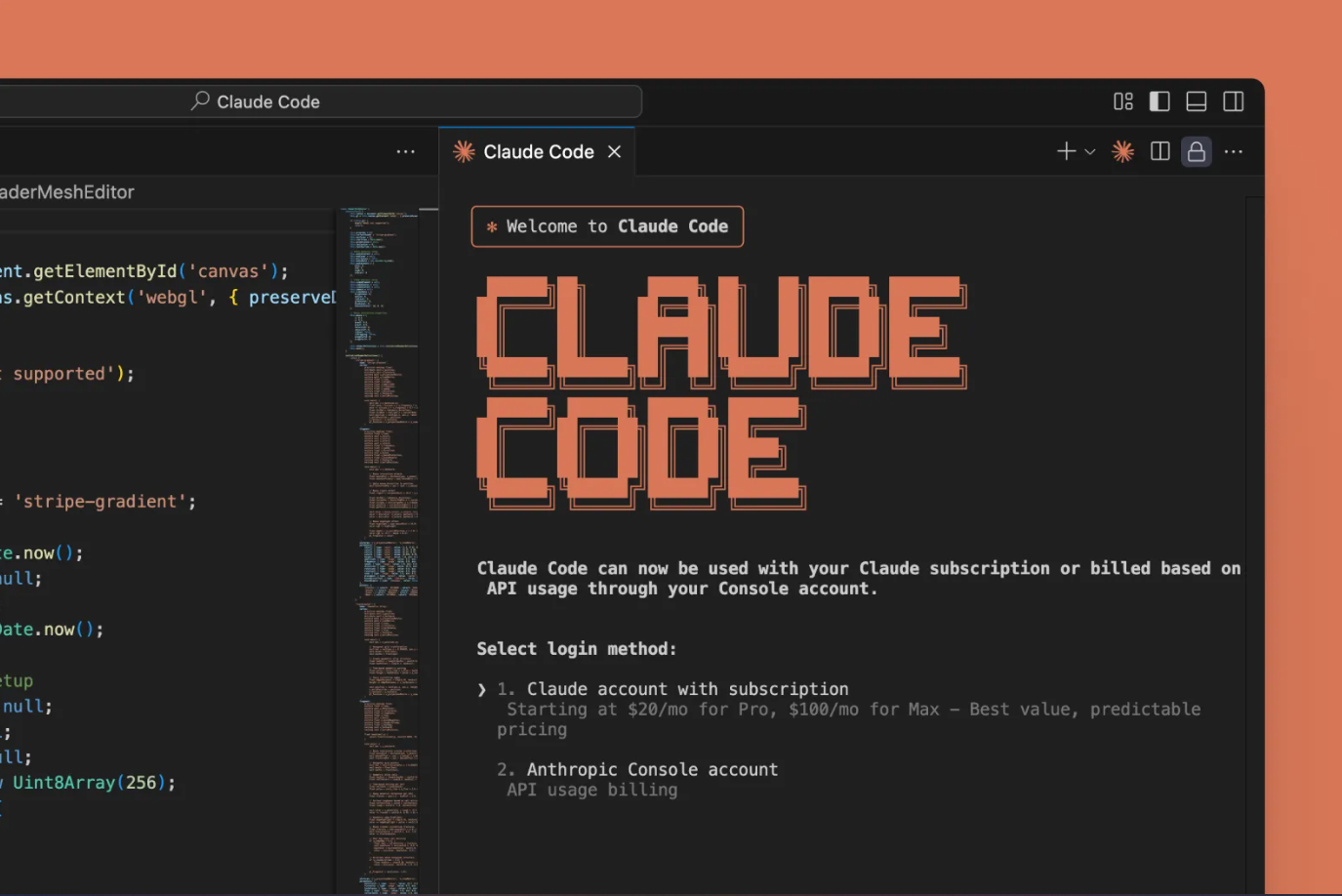
Anthropic’s commercial service clause specifically states that customers may not use its AI model “for developing competitive products and services”, including “for training competitive AI models or resale services”. The use of Claude Code by OpenAI employees in the development of GPT-5 was considered to be a direct violation of this core prohibition.
In its response statement, the Chief Communications Officer of OpenAI, Hannah Wong, acknowledged industry practice, but implied that the Anthropic approach was unfair: “Assessing other AI systems for benchmarking and improving safety is industry standard practice. We respect the decision of Anthropic to cut off our API visit, but it is disappointing, given that our API remains open to them.”
It is worth noting that this was not the first time that Anthropic had imposed “off-the-shelf” measures on competitors. Earlier this year, when it was reported that Windsurf, the initial coding company of AI, would be acquired by OpenAI, Anthropic immediately cut off the direct access of Windsurf to its model. When Jared Kaplan, Chief Scientific Officer of Anthropic, spoke about the withdrawal of Windsurf’s access, he made a very strong statement: “I think it would be strange to sell Claude to OpenAI.”
This wave highlighted the intensity of competition among the AI giants. Technical barriers between competitors are becoming increasingly sensitive, with the capability details of head models (e.g. coding performance, security response) becoming core business secrets and competitive reverse testing being considered a threat. The service clause “prohibiting the development of competition” has also become a legal weapon to protect its technological advantages.
There are both “baseline testing” cooperative practices in the industry and high barriers to core product development. OpenAI’s response to “disappointment” reveals the displeasure of this delicate balance after it was broken.
This time, Anthropic is a decisive response not only to the alleged violations committed by OpenAI, but also to the entire industry: In the race to universal artificial intelligence, the protection of the technological moat will be tightened. This “break-up” wave may be an important footnote to the evolution of the AI giant’s rivalry.