
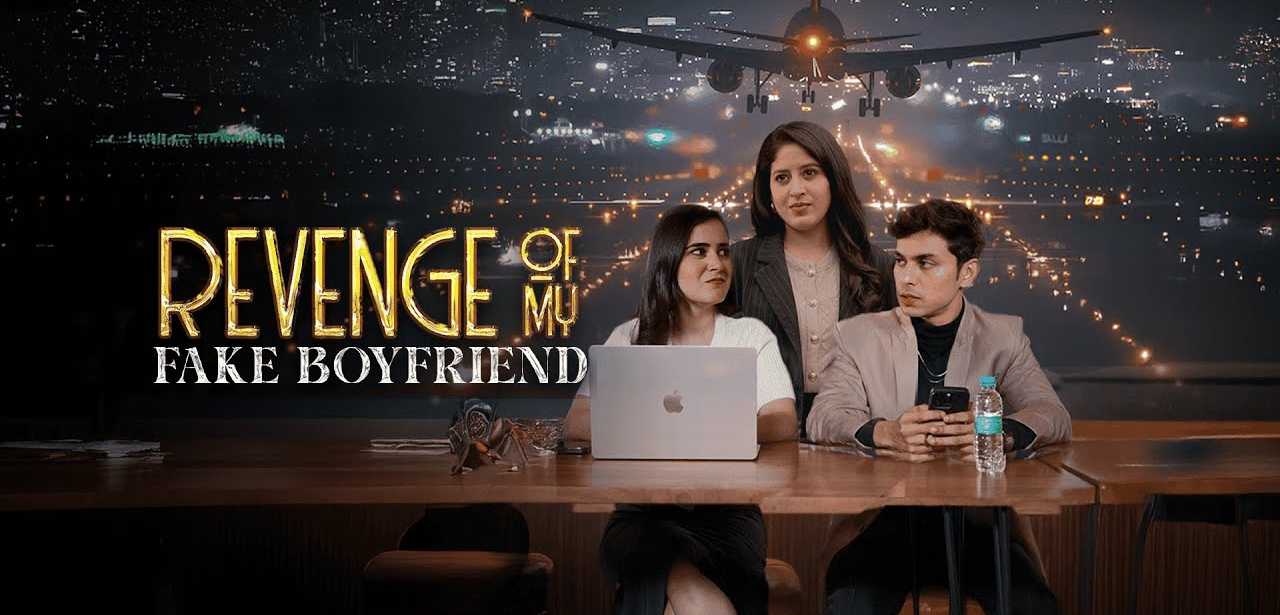
In the first half of 2025, the Indian entertainment industry forecasted that the micro-short drama would become a hotspot for the industry, and that projection has now become a reality. This “fast-food” stand-up shortshow has erupted in the digital ecology of India. According to Exchange4Media data from the Media Trends Monitoring Platform, the global mini-shortshow market is expected to exceed $10 billion in 2030, while India will reach $5 billion over the next five years, driven by a surge in demand for ultra-series daily entertainment.
Kuku TV, which came on line last October, is considered to be the pioneer in the field of micro-short drama in India, with more than 50 million downloads from the entire platform in one year. Its content bank has over 10,000 hours of “gluct” content, and the head of the series, Rented Husband, Wating for Love, Ek Anjani Shaadi, and so on, has exceeded 50 million. Kunj Sanghvi, Vice President of Kuku TV Content, states: “80% of users come from the first and second-line cities, and according to Google Play, we have been at the top of the download list in India for two months in a row.”
The size of the Indian OTT market in 2024-2025 was Rs. 3794 million. When long-line dramas took over the headlines, micro-fat platforms such as Moj and ShareChat were eating market share of 120 million dramas per day. The attraction is that a single set does not exceed two minutes to draw attention to dramatic conflicts, emotional outbreaks or high-risk suspense, and love and revenge are the most popular types of today.
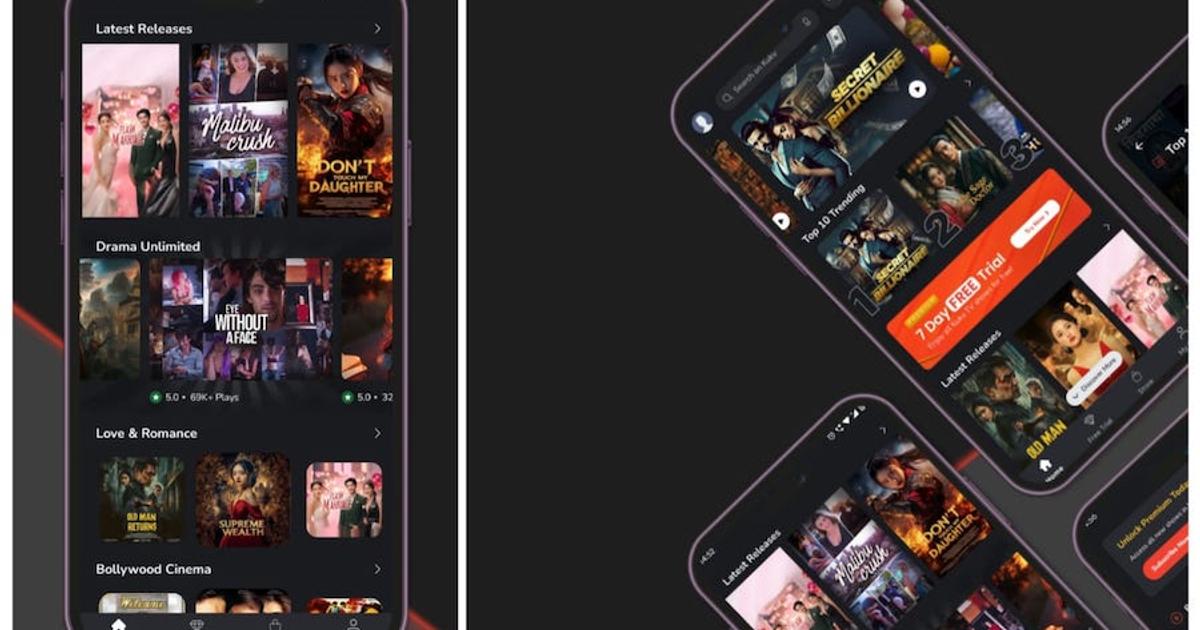
“Super-enhanced short video”, by Terribly Tiny Tales’ founder Anuj Gosalia, “60-120-second single series, 45-100 series, each closely embedded in suspensions and blasts. Weaponization of viral transmission and narrative techniques, which binds you to a cell phone for hours.” He added: “Shammy – Redemption arc directs the instinct of the user, so it is called a `simplified television show’.”
A writer revealed the more extreme logic of the short play: “The studio is now discussing only one thing: what happens in seconds? 50-55 seconds of injecting hints or slaps as hooks open the door for 1 minute and 25 seconds without displaying internal suspense creation. We write like machines, nobody cares about the whole story.” This difference lies not only in structure, but also in privacy: “Television is broadcast in the living room of the public area, while the mini-speets belong to your private space and do not need to be so nuanced that soft pornography clearly caters to all”.
Kunj Sanghvi countered: “The focus on soft pornography is a narrow perspective. None of our seven-million-dollar series contains soft and pornographic elements, at best accused of flaunting and selling anxiety.” He pointed out, however, the double standard that existed in the industry: “Small actors dressed for exposure were seen as flirting, while top stars did the same thing called fashion”.
Low-cost, fast-moving mini-fellows are attracting people. The founder of Collective Artists Network, Vijay Subramaniam, said: “It takes only 30 days from creativity to go online.” However, director Kapadia warns industry of the risks of templateization: “When everyone pursues the same template, all content becomes sidelined and squared. We are already producing warm family stories and even slow-paced dramas, and it is foolish to think that this new form of micro-short play can only serve the good. By June 2026, the short play would be in the air.”

Anuj Gosalia’s expectations of the industry are even more moderate. “Like YouTube and Instagram, you’ll see a bunch of foot-legged stories, but occasionally you’ll find the pearls of dust. That is exactly what we were expecting, and I hope that people will be impressed when they watch a micro-fellow: we didn’t expect it to do the same. Now, it did.”