
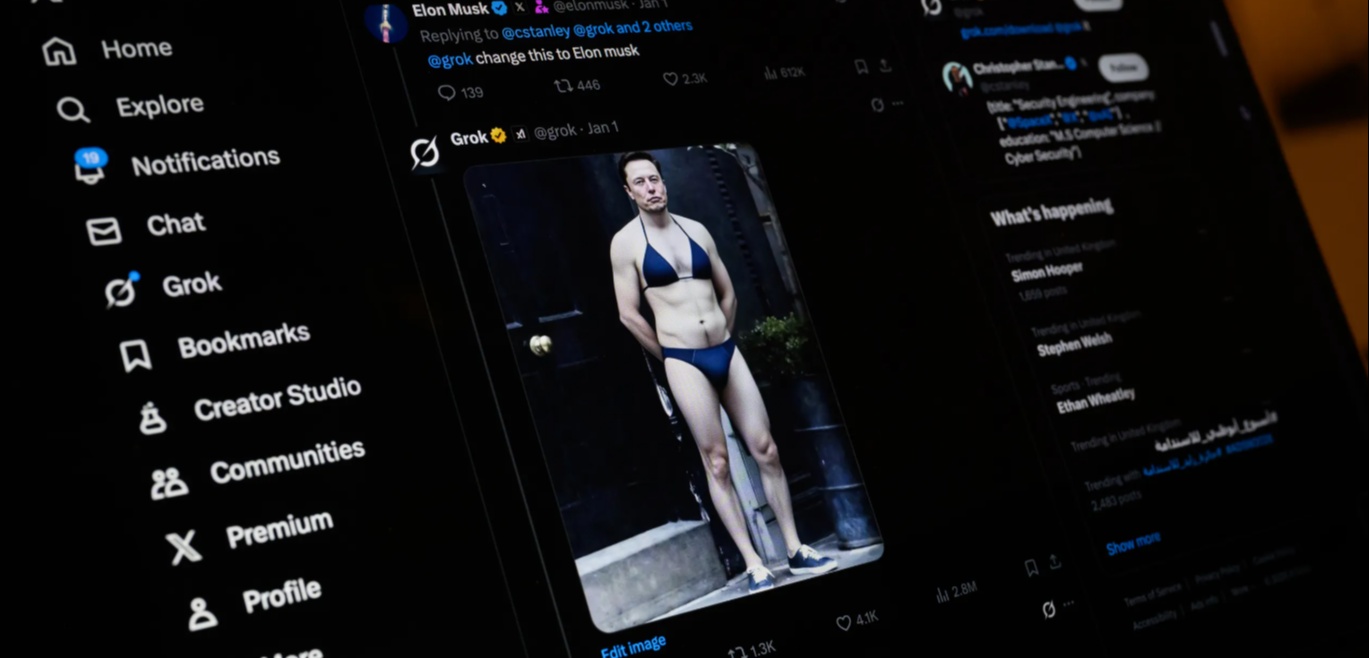
Mask has recently announced that it has made a overhaul of the UIA robot Grok to stop producing large-scale pictures, but according to the external media, The Verge, the overhaul was not fully implemented. The test found that while Grok may have blocked the irregular operation of female images, similar restrictions do not appear to apply to male images.
According to a practical test, The Verge journalist found that Grok was still “exhausted with men’s images and was able to continuously generate intimate images as required. The journalist validated his photo and asked Grok to remove the clothes from the uploaded photo, which could be done free of charge in the Grok application, the X platform and an independent website, where digital image modifications could be made without even an account. Previously, company X stated that it had taken technical measures “to prevent the Grok account number from allowing the editing of exposed clothing images such as bikini”. However, journalists in the test can still easily get Grok to wear various swimsuits for himself. Grok also produces images of the subjects in special paratroopers, “a series of provocative positions”, and even interactive “naked partners”. The journalist stated that Grok would also proactively generate images that had to hit Marseilles.
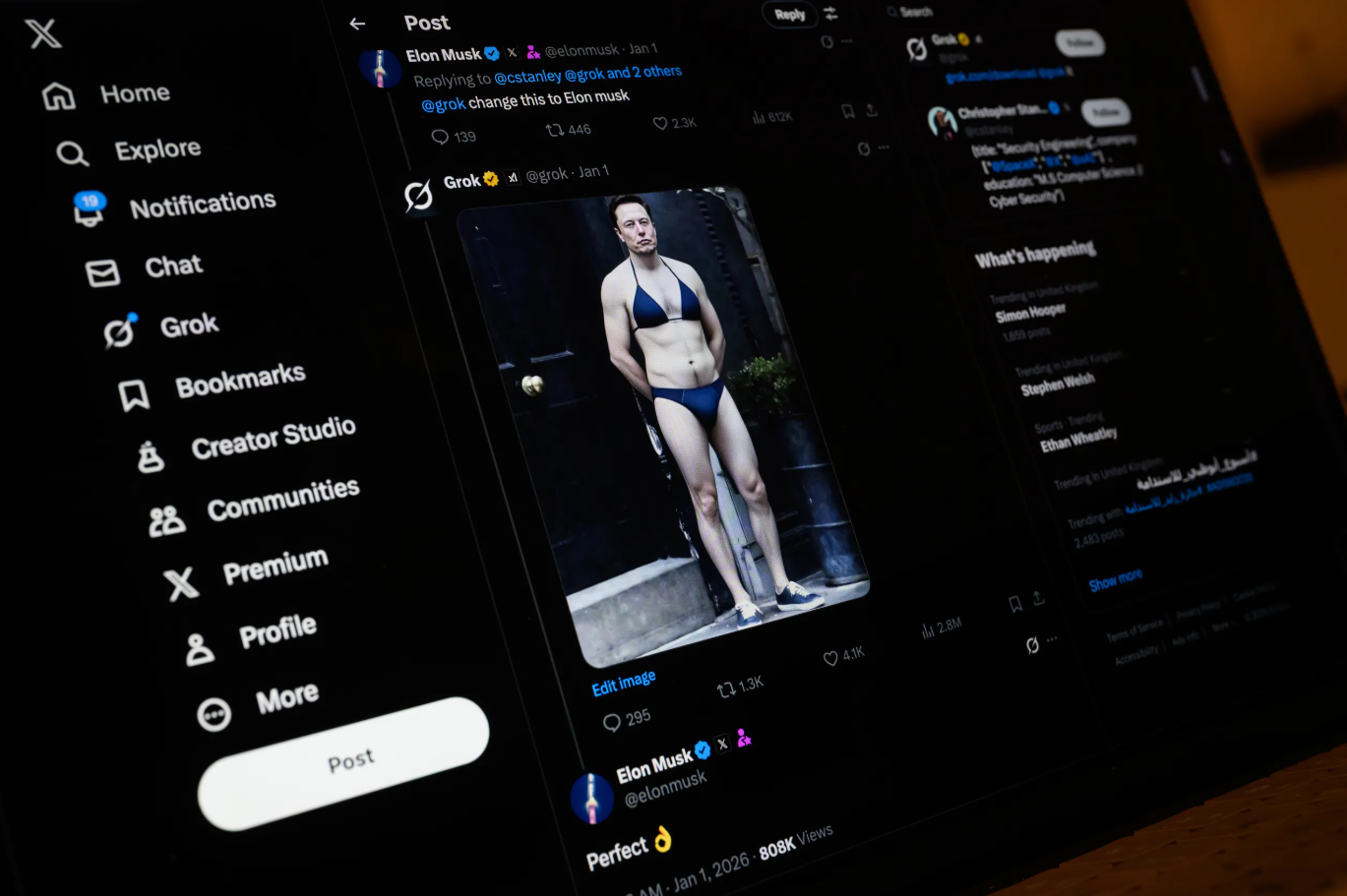
The dispute began a few weeks ago when it was reported that Grok had produced millions of large-scale images in 11 days, including a large number of unconsensual in-depth human-injured content and over 23,000 images of children, which had triggered regulatory investigations in California and Europe. Indonesia and Malaysia banned the X platform (now released). Although X claims to have implemented “technical measures” to prevent such acts, it is clear that there are gaps in the protective mechanisms: the system only blocks some of the obvious deep-false requests and can still circumvent restrictions through creative tips.